The bag you opened this morning was already stale before you bought it
You grind the beans, you brew them the right way, you even paid the extra few dollars for the single-origin bag. And it's... fine. Not bad. Just fine. You drink it, you go about your day, and somewhere in the back of your head sits this feeling that it should be better than this.
That feeling is right. And it has nothing to do with your grinder, your water temperature, or your technique. The problem was already baked in before the bag ever hit the shelf.
Most coffee loses its best flavour two to three weeks after roasting. By the time it travels through a warehouse, rides a truck, sits on a store shelf, and lands in your kitchen, that window is long gone. You are not drinking bad coffee. You are drinking old coffee. And you have been paying premium prices for it the whole time.
I came across a book called Bean There, Roasted That by Robert Billings when I was deep in the rabbit hole of trying to figure out why my pour-over still tasted flat no matter what I changed. The subtitle is Guide to Fresh Home Roasted Coffee, and I almost scrolled past it because I assumed it was for obsessives with expensive gear and strong opinions about altitude.
It is not that book. It starts with a single, uncomfortable sentence: "That store bag is already stale by the time you open it." Then it walks you through what to do about it, starting tonight, with a heavy skillet you already own.
The whole method is built around one idea: roasting your own beans at home takes about 15 minutes, costs about a third of what you are paying now, and produces a cup that tastes genuinely different. Not marginally better. Different. Billings puts it plainly: "Fresh-roasted coffee is a different thing entirely. It's brighter, sweeter, and full of smells you didn't know coffee had. Once you taste it, the old way feels flat."
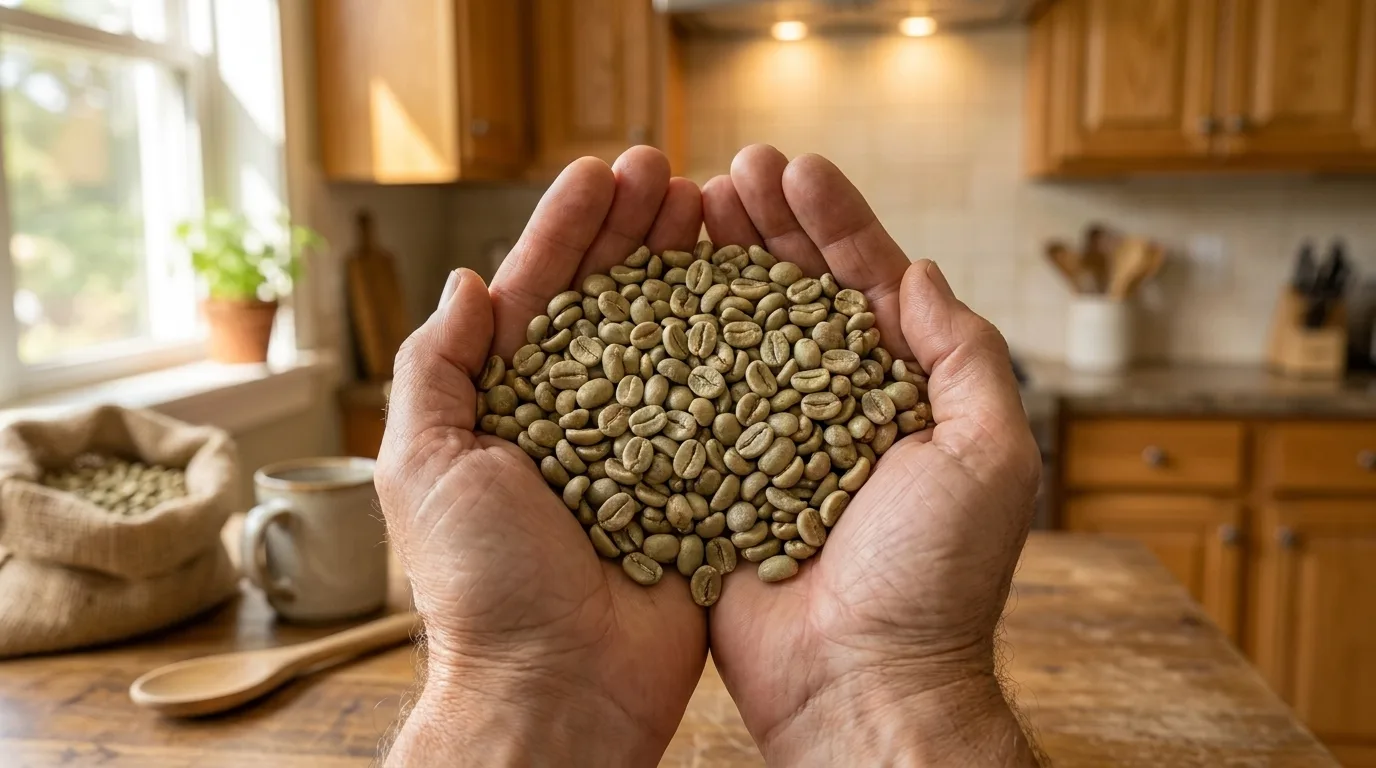
Your first roast starts with a skillet, not a specialty shop
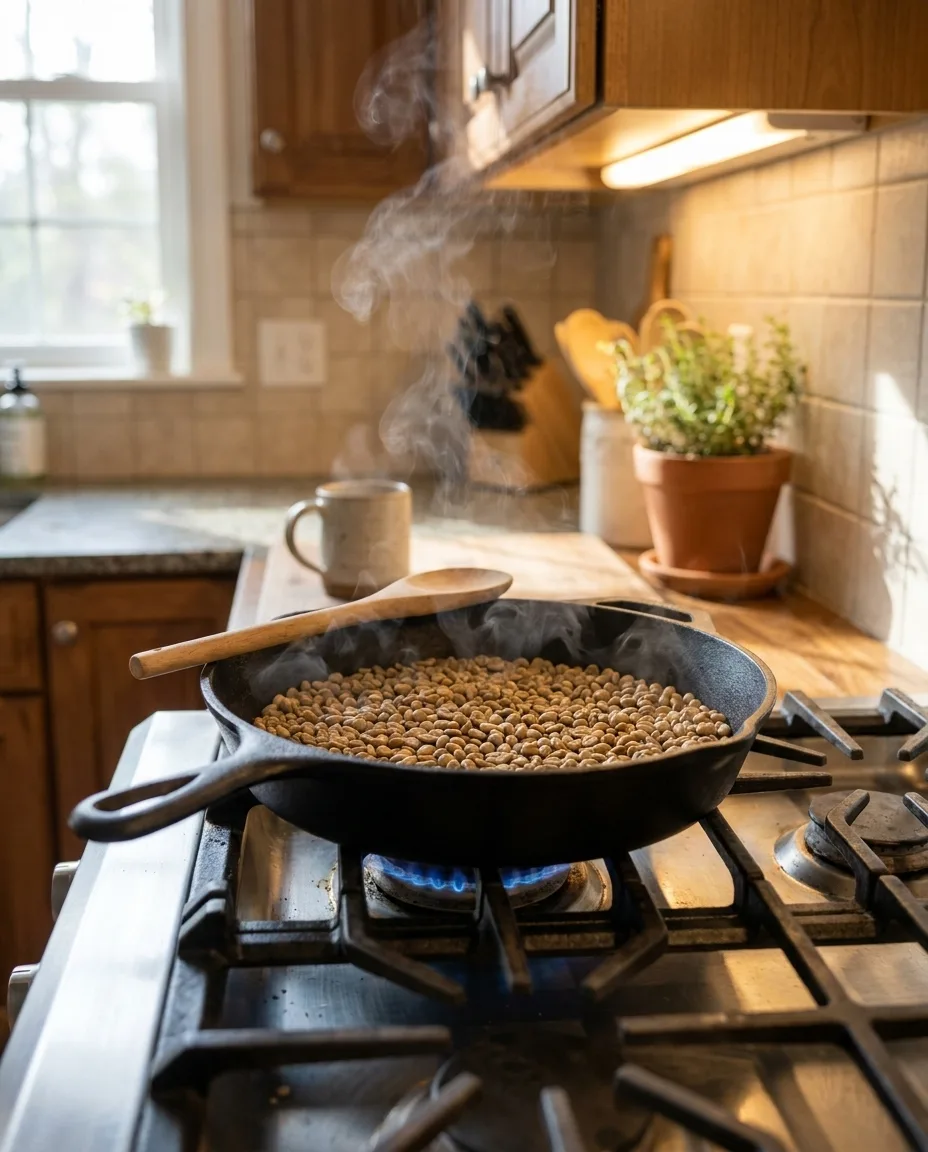
The book's first move is to hand you back your confidence. "If you can fry an egg without burning it, you can roast coffee." That is not a motivational line. That is the actual skill requirement. You put green beans in a heavy skillet over medium-high heat, you stir, and you listen. Around four to ten minutes in, you hear first crack: a loud popping sound, like popcorn going off. That is a light roast. Keep going past that into a quieter, static-like second crack and you have a dark roast. Colour backs it up the whole way, shifting from pale tan to milk chocolate to dark brown. The book tells you what to listen for and what to look for, so you are never guessing.
A single roast takes about 15 minutes from start to finish. That's it. You're not signing up for an all-day project.
Resting the beans is the step most beginners skip, and it matters
Fresh-roasted beans are full of trapped CO2, and if you brew them immediately, that gas pushes back against the water and makes your coffee taste flat or sour. The book is specific: rest them in an open container for 12 to 24 hours first. One day of patience is the difference between a cup that tastes alive and one that tastes like you did something wrong. "Fresh-roasted coffee smells alive," Billings writes. "Sweet, nutty, a little wild. That smell alone tells you why you went through all this." That smell is the moment the whole thing clicks.
If you brew too soon, the trapped gas makes your coffee taste flat or sour.
A $20 popcorn popper removes the only hard part of skillet roasting
The skillet works. But you have to stir constantly, and the chaff (the papery skin that comes off the beans) goes everywhere. A hot-air popcorn popper, the kind that costs $20 to $30 at any big-box store or less at a thrift shop, tumbles the beans automatically with hot air. It clears chaff more cleanly, and it makes first and second crack easier to hear because your hands are free. The book calls this the natural upgrade, not a requirement. You start with the skillet, you get comfortable with the cues, and if you want more control with less effort, you pick up a popper. "Sixty to ninety seconds is the whole difference. Small change, big result."
Where the beans come from changes the cup as much as how long you roast them
Colombian beans are forgiving and deliver a balanced, nutty cup. That is why the book starts you there. But Ethiopian beans are a different animal entirely. Roast them right and Billings describes what happens: "the cup can taste like blueberry, like jasmine flowers, like a squeeze of citrus. The first time most people taste it, they ask, 'Is there fruit juice in here?' Nope. That flavor comes straight from the bean." Same method, same popper, completely different cup. Once you know this, your whole idea of what coffee can taste like shifts.
Roast them right and the cup can taste like blueberry, like jasmine flowers, like a squeeze of citrus.
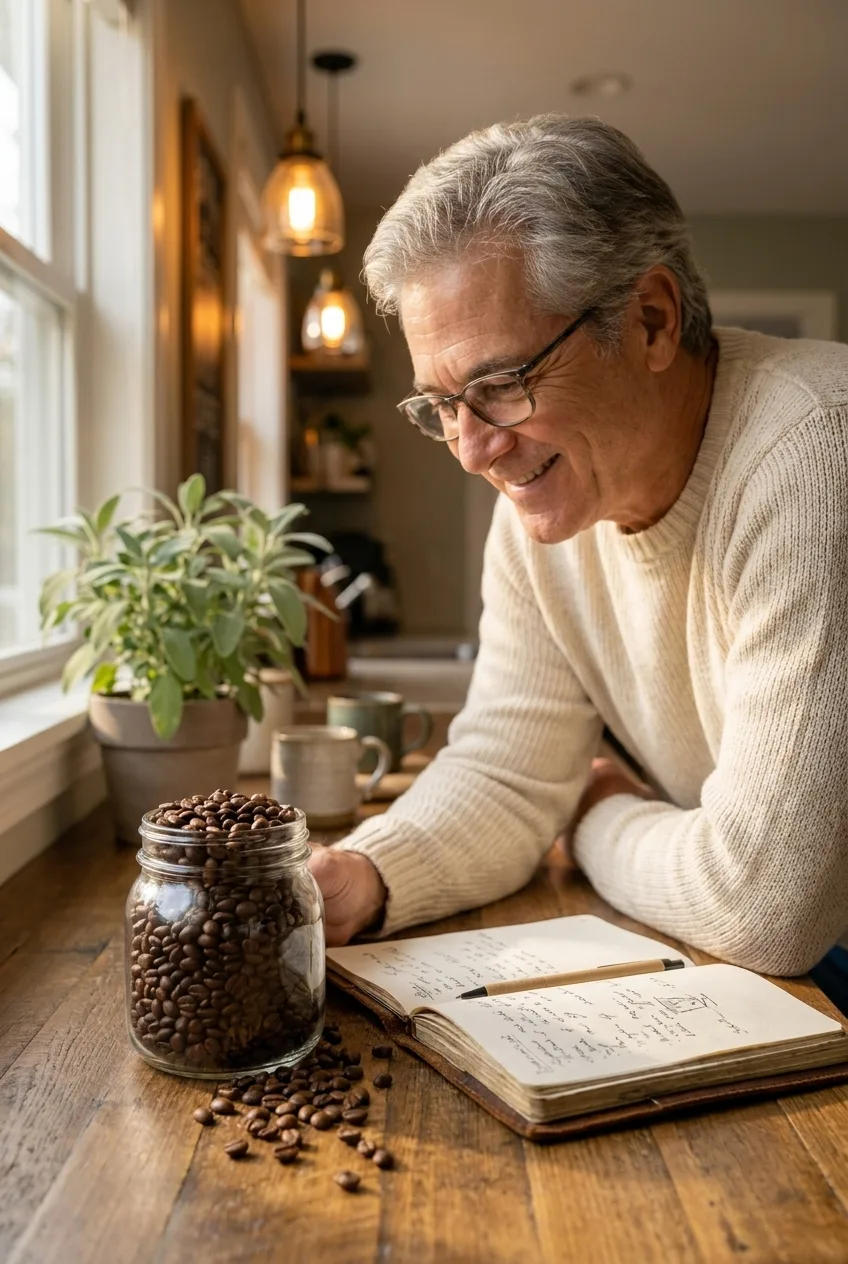
A roast log turns a lucky batch into your signature blend
After every batch, you write down the origin, the roast level, the brew method, and a few words about how it tasted. That is the whole system. "A great blend you can't remember is just a lucky accident. Write it down, and it's yours for good." When you add 30 extra seconds to the next batch and the cup improves, you know exactly why. When you roast a Colombian and an Ethiopian separately and then combine them, you are building your blend, not someone else's idea of what you should drink. The log is what turns a 15-minute kitchen task into something you actually own.
A great blend you can't remember is just a lucky accident. Write it down, and it's yours for good.
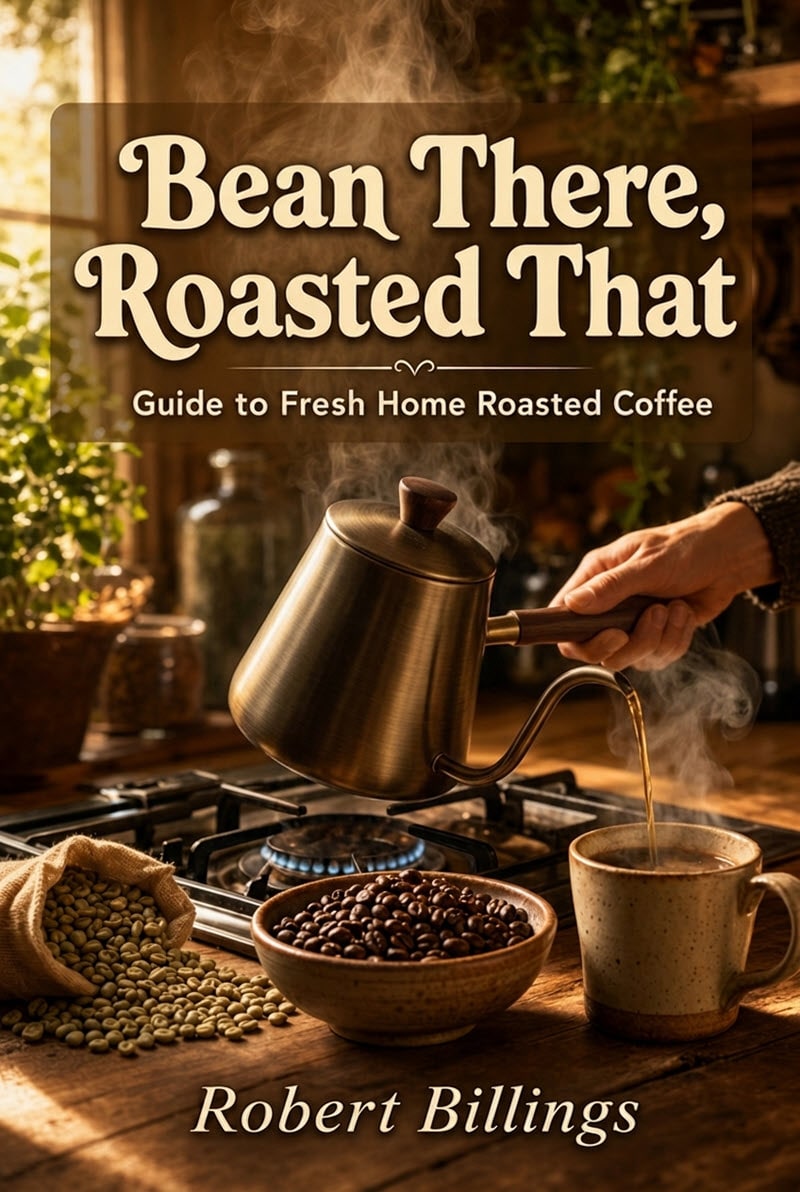
Bean There, Roasted That walks you through your first skillet roast in one sitting. It covers the sensory cues, the degassing step, the popcorn-popper upgrade, how different origins change your cup, and how to build a roast log that turns each batch into data for the next. Start to finish, it is the kind of book you read on a Sunday afternoon and act on before the week is out.
"The best next roast is the one you do this weekend." That line lands harder once you have read the whole thing. See what it costs on Amazon and decide for yourself.
Get It on AmazonQuestions people actually ask
I don't own any roasting equipment. Does that disqualify me from the start?
No. The book's first method is a heavy skillet on your stovetop, which you almost certainly already own. The only upgrade it recommends is a hot-air popcorn popper for $20 to $30. No specialist gear is required at any point in the book.
I don't have a lot of time to learn a new process. How steep is the learning curve here?
A single roast runs about 15 minutes. There is no course to finish before you start. The book walks you through your first batch in one sitting, using sound and colour as your guide. If you can stay at the stove and pay attention, you can do this on the first try.
Is home-roasted coffee actually better, or is this more of a hobbyist satisfaction thing?
Store coffee starts losing its best flavour two to three weeks after roasting, and most bags travel through warehouses and trucks before you open them. Beans roasted at home and brewed within days are a genuinely different product. That said, if you're happy with what you drink now, this book probably isn't calling to you.
What if I ruin the first batch and waste the beans?
The book starts you on Colombian beans because they are forgiving. A small timing error and they still taste good. First batches are 100 to 150 grams, so a failed one costs almost nothing to redo. The method is designed to make the first roast hard to ruin, not easy to perfect.
Will I end up spending more money chasing this hobby than I save?
Green beans cost about a third of fancy roasted coffee and keep for up to a year. The book and a popcorn popper are the only purchases the method requires. If you later want a drum roaster or rare microlot beans, that's a choice, not a requirement. The book says this plainly.
I'm not looking to become obsessed with coffee. Is this book going to push me down that road?
Honestly, it might spark more curiosity than you expect. But the book is written for people who just want a better cup, not for people chasing competition roasting. The system stops wherever you want it to stop.